Inaugural Lecture | The Creed in Music: A thousand years of setting Christian theology to music
Join us as the Revd Professor Andrew Davison delivers his inaugural lecture as Regius Professor of Divinity, exploring how Christian theology has been expressed through musical settings of the Creed across a millennium.
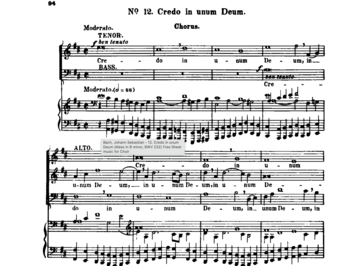
The lecture will be interwoven with live performances by the Cathedral Choir of Christ Church Cathedral, celebrating 500 years since their foundation. The programme spans the Renaissance to the 20th century, featuring settings of the Creed by John Taverner — one of the most significant composers of the English Renaissance and the first organist of Christ Church — and Frank Martin, offering a rich illustration of the continuity and development of theological expression through music.
Taking place in the inaugural term of the Schwarzman Centre’s new auditorium, this event represents a landmark moment for the humanities at Oxford, bringing together theology, music, and history in a uniquely rich and celebratory occasion.
Event Details
Date and Time: 17:00-18:00 15 June 2026 (followed by drinks reception)
Venue: Schwarzman Centre for the Humanities
Registration
All are welcome. Registration is free.
Kindly register by clicking the link here.
About the Speaker
Professor Andrew Davison is Regius Professor of Divinity. The Regius Professorship of Divinity was founded by Henry VIII in 1535 as one of the original five Regius Chairs and remains one of the most distinguished academic appointments in the world.
Professor Davison read Chemistry and completed a DPhil in Biochemistry at Merton College, University of Oxford. He subsequently read Theology and completed a PhD in Theology at the University of Cambridge. Ordained in Southwark, he served in parish ministry in South London before moving to the University of Cambridge, where he was a Fellow and Director of Studies in Theology at Corpus Christi College.
His research spans theology, philosophy, and natural science, and includes work on astrobiology, AI, Thomas Aquinas, and what Christianity has made of themes from Plato.

